Strategic Agility and How to Apply it to Mental Dynamics?
Strategic agility is needed to address change that is continuous in our world today.
It is the ability to improve performance during challenging times to survive and thrive amid disruption. According to The Center of Management & Organization Effectiveness, strategic agility is the ability for organizations to see shifts inside the business as well as externally in the business environment in which they operate. Strategic agility is about staying competitive by recognizing and capitalizing on opportunities as well as identifying potential threats and mitigating or preventing them from materializing in the first place.
Leaders who demonstrate strategic agility have a clear vision. They use data to predict how situations might unfold and quickly implement new ideas or act on. They embrace decisiveness and improvisation to take full advantage of new developments.
To determine whether you have this mental capability, you should ask yourself: how well can your mind adjust to new circumstances?
If you could think, learn and absorb new information quickly, and learn new information systems and processes, then you have the mental capability for agility. Moreover, mental agility can be trained. Cultivating a habit of mental agility can help you in developing greater focus, efficiency, and performance for daily work tasks.
Mental agility is a critical building block for success in business and life.
According to Ben White, many tips can help you improve your mental agility:
You can lead with strategic agility, by communicating strategic priorities with every team member, focusing on practices that build resilience. As well you must rely on a direction not a destination framework, communicate your measurable goals clearly, and train your workforce to prepare for change.
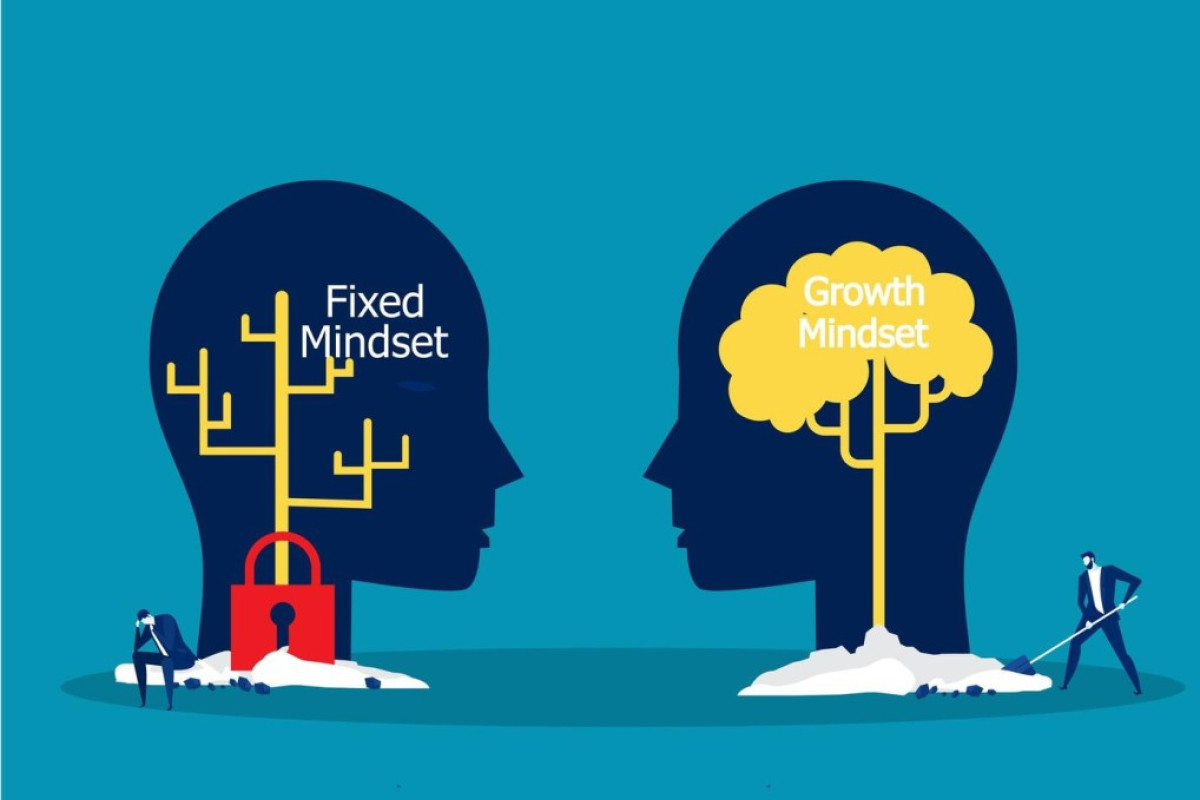
On the personal level, it also helps to adopt a growth mentality and seek out opportunities for learning and personal growth. Make sure you don’t have any beliefs that are sabotaging your efforts, like the need for perfection.
Mental agility is more than just a quick mind. A person who is mentally agile can think on its feet, solve problems and be creative at work. Try to cultivate this ability which will help you to be more effective at your job and succeed in your career.