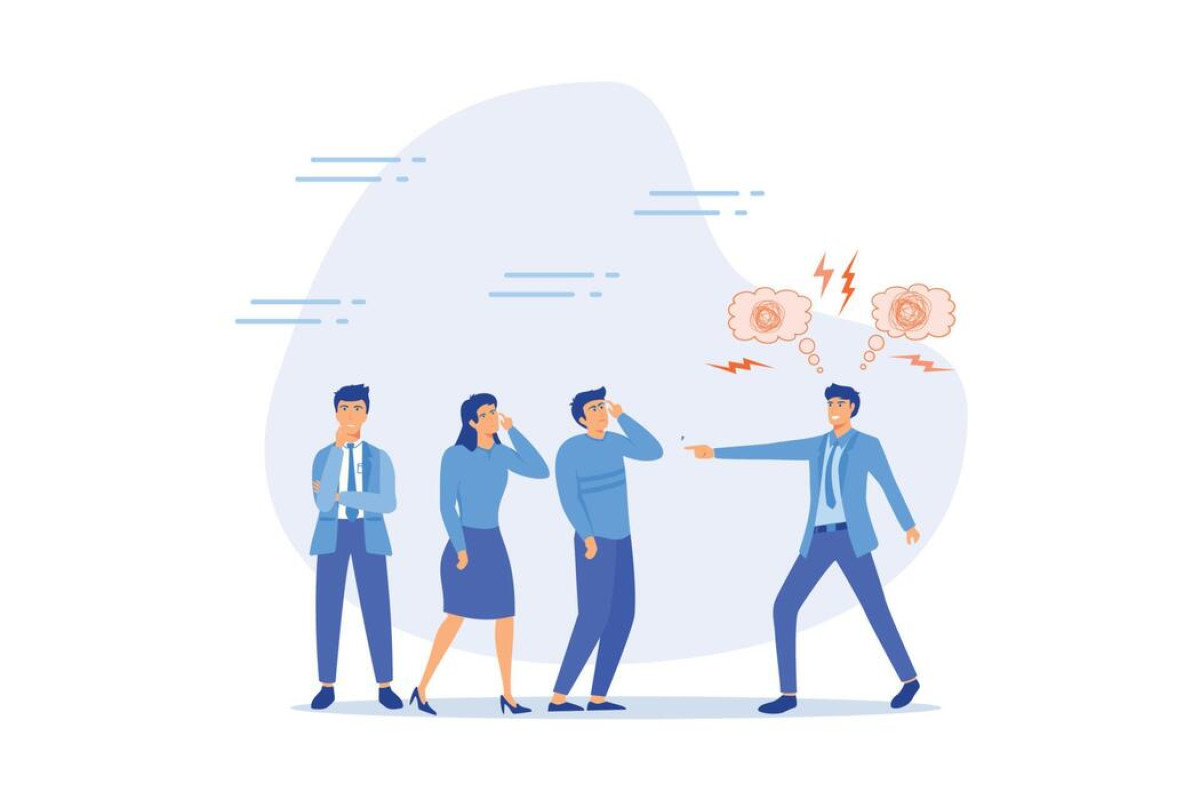
According to the dictionary, confrontation is a hostile or argumentative situation between two opposing parties. Such a definition makes me understand why many people hate confrontations and consider them uncomfortable. Confrontation isn’t always ugly and scary. Confrontation is a good thing for our work and relationships, and it is one of the most important skills you need as a leader. This article will show you the importance of confrontation and its positive results.
The true reason behind avoiding confrontation is that we are never sure about the outcome, and we don’t have confidence in pulling it off. Often, we hesitate to confront someone because we feel that this will worsen the relationship and the listener reaction will be full of anger and disrespect. So, we go out of our way to avoid rather than confront them. We believe that each time you are willing to openly discuss something with another person, you portray that you care enough for their feelings, which strengthen the foundation of relationships.
However, not dealing with issues or dealing with them poorly or letting things go on too long hinder your effective leadership and growth. Effective communication differentiates you as a leader. Therefore, confronting respectfully, directly and delivering the message properly is essential.
Confrontation does not have to involve conflict. We can prepare to have a conversation that confronts undesirable behavior in a way that feels respectful to the person and to ourselves. An effective confrontation focuses on the result and explains clearly what you are asking for.
Preparing for a Successful Confrontation
You can set the stage for a productive confrontation conversation by taking the following steps:
Always start with respect: If you are angry, you must wait until you feel calmer, as aggressive conversations are usually counterproductive. Be kind and treat others the same way you like to be treated.
In person, in private: Make sure you meet with the person one-on-one in a private setting. Put a time on your calendar and prepare to talk to them respectfully about how you are feeling.
Positive nonverbal communication: Your facial expressions, gestures, posture, and tone of voice are powerful communication tools. Make sure to maintain eye contact, which means you are focused, engaged, and respectful.
Emotional control: To maintain emotional control in a confrontational conversation, you must take a breath and focus on the specific issue at hand. Give the person time to respond after you, explain yourself, listen, don’t interrupt and try to defend yourself. Preparing for the conversation ahead of time will help reduce the potential for becoming overly emotional.
Using “I” messages: Own your thoughts, ideas, and feelings. Use “I” statements as they convey personal responsibility on your side rather than generalizations.
Focus on desirable behaviors: You must focus on what you want rather than what you don’t want, to achieve an effective confrontation. As well as giving examples about the desired behavior so that they know exactly what you are asking for.
Bring a solution with you: Be ready to offer a good compromise or solution to help solve the issue. Ask them what they think about it, and if you can’t come to an agreement, give them time to think it over and get back to you.
Focus on positive consequences and results: People generally want to believe that if they make a change because of your confrontation, the situation will improve, and things will be better for them.
“Leaders” make the commitment to work through your nervousness with confrontation. Use some of the suggestions and even the most challenging situations can be resolved.