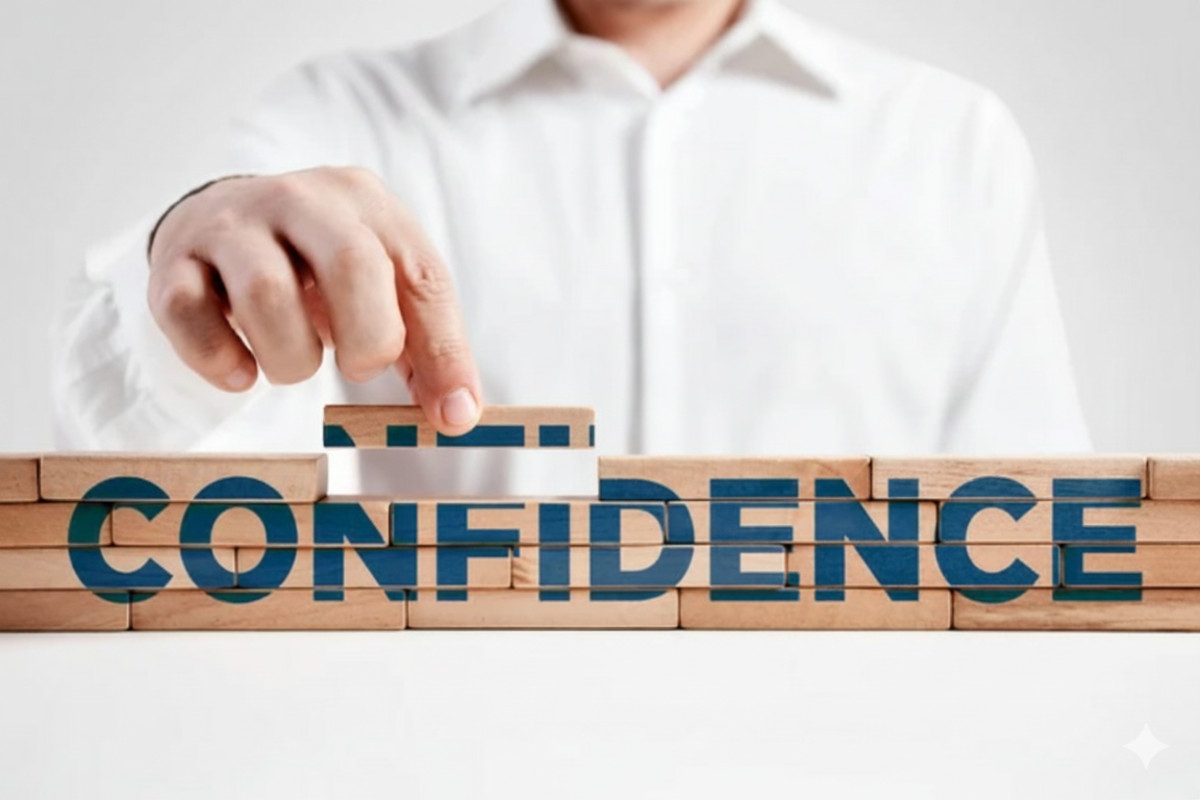
Confidence is a state of mind not just a set of rules that can be learned. Confidence comes from feelings of well-being, acceptance of our body and mind, feelings of good self-worth, high self-esteem and a belief in your own ability, skills and experience. Confidence is a characteristic that most people would like to possess.
What is Self-Confidence?
Self-confidence simply means having faith in yourself and your abilities to achieve. Confidence is a result of how we have been brought up and how we have been taught to perceive ourselves and others. Parents, teachers, siblings, peer groups all contribute to our learnings and the beliefs that shape our thoughts and behaviours. Past experiences and reactions coming from different situations also contribute to increasing or decreasing our self-confidence.
In order to improve confidence, we must focus on how we can appear more confident to others and feel more confident in ourselves and our abilities. To help with that here are a few ideas that you can adopt.
Planning and Preparation
People feel less confident about new and potentially difficult situations. Therefore, planning and preparing for the unknown is an important factor in developing confidence.
Learning and Training
Learning and research can help us become more confident about how we manage new situations, roles and tasks. Taking the proper trainings to improve your leadership skills can definitely boost your confidence.
Positive Thinking
Positive thinking is essential to maintaining a positive mindset. If you believe in achieving something, then you are more likely to work hard and make sure you did it.
“Optimism is the faith that leads to achievement. Nothing can be done without hope and confidence.” Helen Keller
The basic rules of positive thinking are to highlight your strengths and successes and learn from your weaknesses and mistakes. Accept compliments from others and compliment yourself often. Use constructive feedback to improve yourself and above all be kind to yourself as you go through the journey of self-development. With positive affirmations, the right support, knowledge and preparedness, you can achieve your goals and overcome all difficulties.
Talking to Others and Following Their Lead
Find a confident role model that you can learn from. Observe him/her, notice how they behave when faced with problems and obstacles, how they interact with others and how people react to them.
Experience
Your confidence increases when you successfully complete goals. So, you can complete similar tasks again. With practice, you gain experience. Taking the first step is usually difficult but once you do it, things will get easier. Having great results can help you become more confident.
Assertiveness
Being assertive means standing up for what you believe and not be afraid to voice it. Speak out and stick to your values and principles to build up your self-confidence. Assertiveness is a leadership skill that increases self-confidence.
Stay Calm
There is a correlation between confidence and calmness. When you are less confident you tend to become nervous and stressed. To remain calm _ even when you are under pressure _ you need to learn how to use a relaxation technique such as, deep breathing, mindfulness, or meditation.
Avoid Arrogance
As your confidence grows and you become successful, make sure that you do not act superior to others. Remember nobody is perfect and there is always a room to improve. Learn to respect others, be courteous and polite, give credit when due and laugh at your mistakes.
Developing Your Self Confidence Skills
To maintain and boost your confidence you must practice your skills always. Set targets for yourself that will get you out of your comfort zone and will challenge you to do things that make you feel nervous and apprehensive sometimes.
Here is a list of a few targets that you can do to build more self-confidence:
How do you feel about each of the ideas on the list above? Perhaps some gave you minor feelings of butterflies whereas others filled you with dread. Start with the simpler ones that you can do and then move upwards. If none of these resonated with you, come up with your own list of targets and make sure to start on them as soon as you can. As we said self-confidence grows with time and improves with practice and experience.


Skills mean performing a certain task or activity convincingly and correctl...
Read more
Motivation is one of the driving forces behind human behaviours. According...
Read more